
Why Doing Difficult Things Sucks (And Why It Pays Off To Get Good At Them)

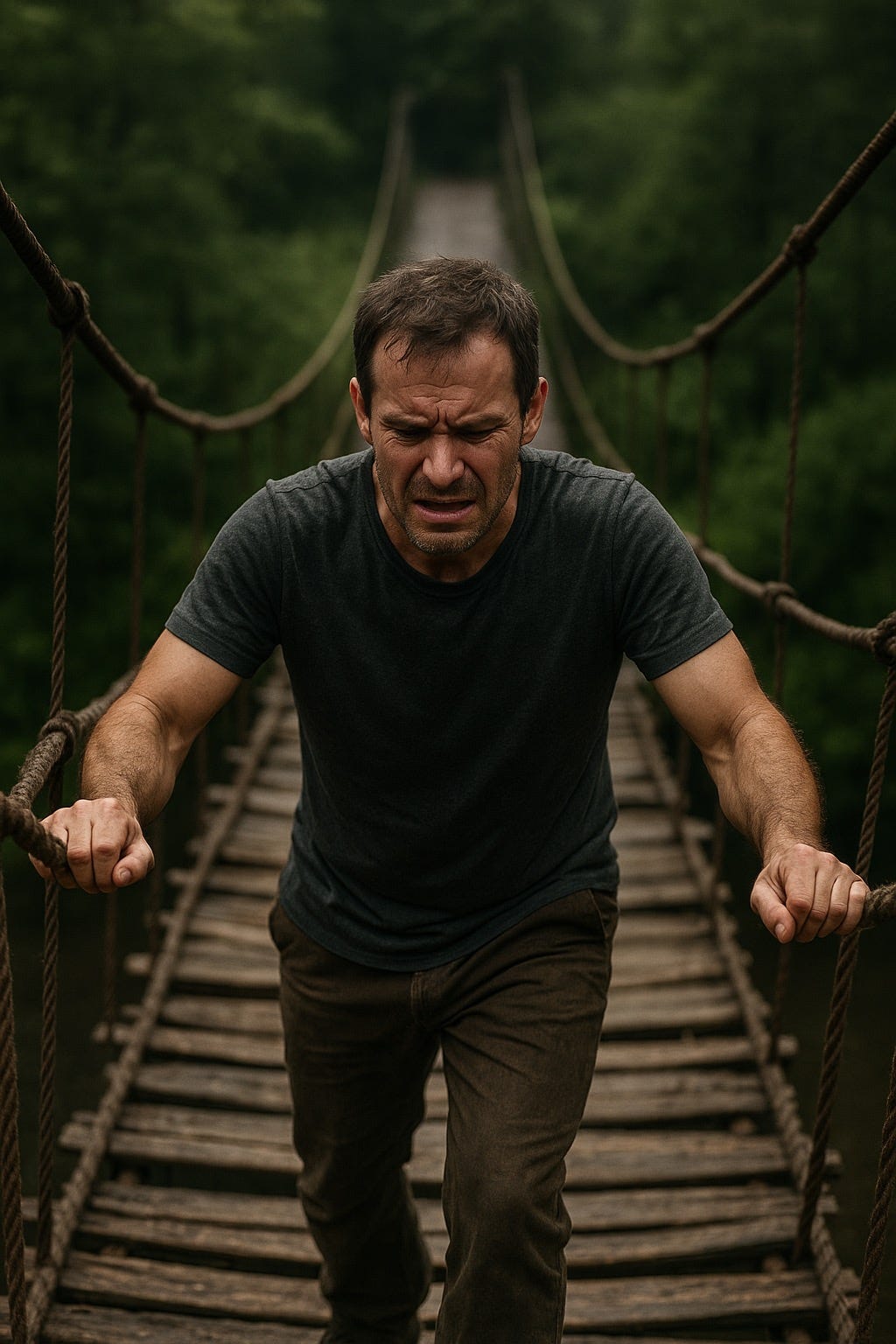
Let’s be honest: doing difficult things sucks. Waking up early to train, tackling paperwork you’d rather ignore, having hard conversations, staying disciplined when it would be easier to coast—none of these feel glamorous in the moment.
But here’s the paradox: the people who thrive in life are often the ones who get really good at doing the crappy stuff—not because they enjoy it, but because they’ve trained themselves to be patient in the midst of going through it.
Why Difficult Things Feel So Awful
Our brains are wired for comfort. Psychologists call it the hedonic principle—we naturally seek pleasure and avoid pain. The problem is, growth almost always lives on the other side of discomfort.
That’s why:
Exercise feels exhausting before it feels energizing.
Studying feels tedious before it feels rewarding.
Building a business feels overwhelming before it feels empowering.
CBT (Cognitive Behavioral Therapy) would describe this as a cycle: your thoughts (“this sucks”), shape your feelings (“I’m frustrated”), which influence your behaviors (quitting early). Unless you break the cycle, you never experience the payoff.
The Hidden Payoff of Crappy Work
Doing hard things teaches you skills you can’t learn any other way:
Resilience – You stop panicking when things get messy, because you’ve seen yourself survive hard stuff before.
Patience – Results don’t show up overnight, but sticking with it builds compounding progress. Every tiny little detail in that process matters. Every moment of waiting and every tactical pause when it feels like you want to just move.
Confidence – Real confidence isn’t built in comfort zones. It’s earned by proving to yourself that you can handle the mental struggle of not being in your comfort zone for a season.
Perspective – Doing tough things makes the everyday annoyances feel less significant.
The short-term discomfort buys you long-term freedom.
The Bridge Metaphor: From Struggle to Strength
Think of each hard task as a crappy wooden bridge you have to cross. It’s shaky, uncomfortable, and you’d rather avoid it. But each time you cross, you:
Strengthen your balance,
Learn the rhythm,
Build courage for the next crossing.
Eventually, you’re not afraid of bridges anymore. While everyone else avoids them, you’re already on the other side building a better life.
How to Get Better at Doing the Hard Stuff
Shrink the task → Instead of “run 5 miles,” tell yourself “just put on my shoes and start.”
Reframe the pain → Replace “this sucks” with “this is where growth lives.”
Track wins → Remind yourself you’ve done harder things before.
Build tolerance → Like lifting weights, start small but increase the load over time. Sometimes this isn’t a physical tolerance, sometimes it’s actually that mental grit that can’t be taught but simply must be lived.
Final Thought
Nobody wakes up excited to do the dishes, send rejection emails, or sit in discomfort. But those who can consistently do the unglamorous work—while others give up—end up living freer, stronger, and more fulfilled lives.
In short: doing difficult things sucks. It really does. But not being able to do them sucks more.
True