
The Pizza Pops Problem: How Nostalgia Skews Nutrition

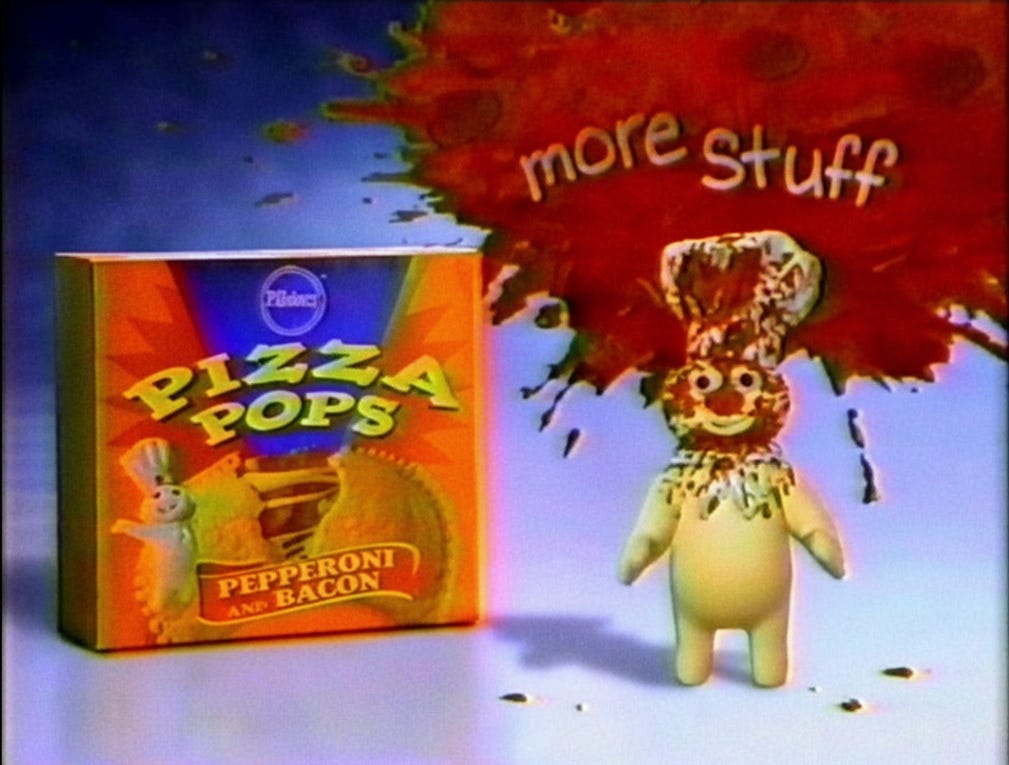
If you grew up in the ’90s or early 2000s, chances are Pizza Pops were a fixture in your freezer.
After school. Late at night. A quick fix before a movie or a game.
They’ve earned a spot in our memories right next to Dunkaroos, Kool-Aid Jammers, and Pizza Bagels — that unmistakable taste of “I can feed myself now.”
And honestly, even as adults, some of us still have a box in the freezer “just in case.” We’ll even justify it by saying, “I use the air fryer now — they’re crispier, basically gourmet.”
But here’s the uncomfortable truth: nostalgia doesn’t make something nutritious.
What the Label Actually Says
Serving size: 2 pizza snacks (190 g)
Calories: 510
Nutrition Facts (Per 2 Pizza Pops):
Fat: 23 g (31%)
Saturated + Trans: 4.7 g (23%)
Carbohydrates: 64 g
Fibre: 3 g (11%)
Sugars: 6 g (6%)
Protein: 13 g
Cholesterol: 10 mg
Sodium: 1,110 mg (48%)
Potassium: 300 mg (6%)
Calcium: 75 mg (6%)
Iron: 4 mg (22%)
5% or less is a little; 15% or more is a lot.
Even before calories, one look at that sodium number — nearly half a day’s worth — should make you pause.
And remember: that’s for two, not the “I’ll just have four” serving that sometimes happens after midnight.
The 180-Pound Case Study
Let’s say we’re working with a woman who weighs 180 lbs and is training moderately for body recomposition — more muscle, less fat.
Daily Targets:
Calories: 2,000
Protein: 180–200 g
Carbohydrates: 150–200 g
Fat: 55–70 g
Now drop two Pizza Pops into that day:
510 calories
23 g fat (31%)
13 g protein (~7%)
1,110 mg sodium (48%)
Before you’ve even had breakfast, you’ve already used:
One-third of your fat
Nearly half your sodium
Only a sliver of your protein target
To stay on track, the rest of your day now has to be made up of perfectly lean, low-sodium, high-protein, whole foods — chicken breast, egg whites, Greek yogurt, vegetables, minimal sauces.
You’re not doomed, but you are cornered.
What the Rest of the Day Might Look Like
Breakfast
4 egg whites, 1 whole egg
½ cup oats, berries
→ 300 calories / 28 g protein / 30 g carbs / 7 g fat / 150 mg sodium
Lunch
4 oz chicken breast
1 cup quinoa
2 cups mixed vegetables
→ 400 calories / 40 g protein / 45 g carbs / 6 g fat / 200 mg sodium
Snack
Greek yogurt
½ scoop whey protein
Cucumber slices
→ 250 calories / 35 g protein / 10 g carbs / 3 g fat / 75 mg sodium
Dinner
5 oz salmon
Roasted sweet potato
Spinach salad
→ 540 calories / 42 g protein / 45 g carbs / 12 g fat / 225 mg sodium
Pizza Pops
2 pizza snacks
→ 510 calories / 13 g protein / 64 g carbs / 23 g fat / 1,110 mg sodium
Total: ~2,000 calories
158 g protein
194 g carbs
51 g fat
1,760 mg sodium
Even with careful planning, you’re still short on protein, close to your sodium ceiling, and one condiment away from overshooting.
The Hidden Psychology
So why do we keep buying them?
Because the marketing makes us feel normal for doing it.
We’re told that two Pizza Pops are a “snack.”
We see the cheerful packaging, the nostalgia, the convenience — and we stop reading the fine print.
The food industry banks on that comfort.
It’s not evil; it’s effective.
But it normalizes portions that quietly sabotage progress.
Empathy Over Perfection
I’m not anti-Pizza Pop.
I’m pro-awareness.
You can eat whatever you want — as long as you understand the trade-offs you’re making.
If you know what’s happening nutritionally, you get to choose intentionally instead of accidentally drifting into deficiency or excess.
The goal isn’t to cut out comfort foods; it’s to see them clearly.
Because once you understand the label, you stop being the target of the marketing.
You start being the author of your own nutrition story.